The Emergence of Claytile Roofing Technology
Claytile roofing has moved from novelty to standard in many sustainable-building projects. This section sets the scene, explaining how clay tiles evolved from ancient flat shapes to modern, engineered products designed for durability, energy efficiency, and architectural expression. My career in roof construction has allowed me to watch this material journey from local terracotta shingles to high-performance claytile systems that compete with metal and concrete in both price and performance.
Clay as a material brings a unique blend of thermal mass, moisture management, and aesthetic versatility. When I first started, clay tiles were mostly confined to historic districts, where their weight and curvature matched traditional forms. Over the years, manufacturers refined the chemistry, glaze finishes, and interlocking profiles to address wind uplift, freeze-thaw cycles, and installation efficiency. The result is a technology that respects heritage while meeting modern code requirements, warranty standards, and long-term maintenance expectations.
From a client’s perspective, the shift to claytile is about predictable performance and a timeless look that increases property value. The clay tile’s density provides excellent weather resistance, and the module system allows for precision in installation and maintenance planning. It’s not just a material choice; it’s a design strategy—one that helps homes breathe, shed rain, and endure for generations. In this article, I’ll draw on real project experiences, client conversations, and technical insights to illuminate why claytile roofing technology has become a compelling option for new builds and retrofits alike.
My firsthand experience working with claytile installations has taught me several key truths. First, selecting the right profile matters as much as the right clay. Second, structural considerations, including roof framing and underlayment, are crucial to performance. Third, maintenance planning from day one saves costs and protects aesthetics. These aren’t abstract ideas; they’re practical guidelines that repeatedly prove their value on the job site. Let’s dive into the specifics and share stories that clients often tell after the first heavy rain or a long, dry summer.
Historical Context and Modern Relevance
Claytile roofing owes much to centuries of craftsmanship, yet modern refinements have unlocked new capabilities. The earliest tiles in many regions were fired clay pieces baked in rudimentary kilns. They were heavy, brittle, and depended on skilled labor to fit together. Fast forward to today, and you’ll see tiles engineered for wind zones, standardized great post to read interlocking systems, and reinforced underlayments that improve water shedding and long-term performance.

In contemporary construction, claytiles provide unique benefits. They offer durable, impact-resistant surfaces that resist hail better than some traditional shingles. They’re capable of withstanding freeze-thaw cycles with proper detailing and venting. They also contribute to a building’s thermal performance: clay’s density stores heat in winter and helps keep attics cooler in summer when paired with appropriate insulation. The aesthetic range—from copper-toned glazes to matte earth tones—lets designers craft roofs that complement the home’s overall language.
From a client satisfaction standpoint, the strongest argument for claytiles is longevity. When installed correctly, a claytile roof can outlive the structure it protects, making it a once-in-a-generation investment. This is not mere marketing; it’s a proven lifecycle advantage. The critical caveat is the need for skilled installation, a precise underlayment system, and a catapult of attention to wind uplift and fastener placement. Proper maintenance becomes minimal but essential—checking for chipped edges, ensuring ridge caps are correctly seated, and watching for shifting due to seasonal movement.
Claytile Materials and Engineering Principles
What makes a claytile roof robust is the interplay between raw material properties and engineered systems. Clay, the base material, is inherently resistant to rot and insect damage. Its mineral composition determines porosity, glaze compatibility, and colorfastness. High-density clays with controlled porosity tend to resist water infiltration while allowing for breathability, a critical balance for long-term performance.
Engineering principles come into play with tile shape, interlock geometry, and the choice of underlayment. Interlocking profiles reduce water seepage and improve wind uplift resistance. Some tile systems rely on traditional nail-and-screw methods, while others use concealed fasteners that preserve the tile surface. The underlayment, typically a reinforced membrane with a waterproofing barrier, must be matched to tile weight and roof slope. If you’re in a high-wind area, a more aggressive fastener pattern and enhanced ridge ventilation will be part of the design conversation.
During installation, we pay attention to substrate flatness, tile alignment, and moisture management at eaves and hips. Clay tiles are not forgiving of uneven roof planes; a warped deck or misaligned battens can compromise performance. My team emphasizes a pre-installation scan of the roof plane, enabling us to identify high-spot and low-spot issues and adjust with thin bed mortar or shimming where necessary. This upfront diligence saves call-backs and guarantees a clean, watertight finish.
From a client relationship perspective, it’s essential to explain the material’s life-cycle and the maintenance expectations. Claytiles require occasional cleaning of debris, inspection of venting, and occasional replacement of individual tiles rather than wholesale roof replacement. The upkeep is generally straightforward and less frequent than some other materials, a point often cited by homeowners who want to minimize disruption to daily life.
Installation Process and Best Practices
A successful claytile roof relies on a meticulous installation process. The first step is a thorough site assessment, including roof geometry, wind load analysis, and structural capability. If the existing structure isn’t adequately prepared, retrofits or reinforcements may be necessary before tiles arrive. The installation crew needs to understand the profile’s unique geometry, including how Business each tile interlocks with its neighbors and how ridge caps seal the peak.
Next comes underlayment selection. The underlayment must support the tile’s weight, provide secondary waterproofing, and maintain breathability. We often specify a reinforced membrane with a drainage layer to ensure that any moisture that penetrates remains under control and can dry out quickly. The underlayment is not decorative; it’s the unsung hero of long-term performance.
Tile layout precision is the next critical phase. We start from the eave up, ensuring a straight baseline and consistent course alignment. For curved or complex roof lines, gauge, chalk line, and temporary supports help maintain straight runs while the mortar or mechanical fasteners set. The interlocking design removes much of the guesswork, but you still need to ensure each tile sits flush against its neighbor and that the weatherproof gaps are appropriately sealed.
Ridge and hip detailing demand particular attention. Cap tiles must be correctly aligned and weather-sealed to prevent wind-driven rain from finding its way underneath. We often use a combination of ridge closures and microsealant products designed for clay tile systems. A well-made ridge line not only looks finished but reduces the chance of water intrusion and helps maintain consistent ventilation in the attic.
Maintenance planning is part of installation. We provide owners with a simple maintenance guide, including inspection intervals, common failure modes, and a recommended servicing plan. A small fix done promptly can prevent larger problems later. This approach demonstrates our commitment to long-term performance and client confidence.
Case Studies: Real Projects, Real Outcomes
Here are a few client stories that illustrate how claytile technology translates into tangible benefits. Each case highlights the challenges, decisions, and final results we achieved through careful planning and skilled execution.
Case Study A: Historic Renovation with Modern Performance A 90-year-old home required a roof renewal that preserved its character yet improved watertightness. We selected a claytile profile that echoed the original roof’s rhythm but offered improved wind resistance and a higher warranty. The project required careful removal of old materials, structural assessment, and a tailored underlayment system. The client appreciated how the new roof protected the interior during a heavy rainfall season and how the color palette complemented the home’s façade. The final result was a seamless blend of old and new, with performance metrics meeting modern expectations and the owner’s aesthetic goals satisfied.
Case Study B: New Build with Energy and Water Considerations A contemporary home in a hot climate demanded a roof that offered shade, solar compatibility, and long-term durability. We implemented a dense claytile system with a light glaze that reflected solar radiation and helped reduce heat build-up in the attic. The roof’s thermal mass contributed to stable interior temperatures, and the tile geometry minimized water intrusion risk in the region’s seasonal rains. The client reported lower energy bills and a comfortable living environment, along with a visually striking roof that anchors the home’s design.
Case Study C: Retrofit in a Wind-Rich Zone In a coastal region with frequent high winds, we redesigned an older home’s roof to improve uplift resistance. The claytile profile chosen had superior interlock geometry, and we augmented the system with wind-rated fasteners and a high-performance underlayment. The project required meticulous detailing at rakes and hips, but the resulting roof held firm through several storm events. The owner appreciated the peace of mind that comes with a robust, wind-resilient system.
Maintenance, Longevity, and Warranty Considerations
Claytile roofs excel in longevity, but owners should understand maintenance realities. The main maintenance tasks include periodic inspection of tiles for cracks or chips, ensuring proper installation integrity at ridges, and monitoring flashing around chimneys, skylights, and vents. Debris removal from roof surfaces reduces moisture retention and prevents rot or moss growth that can trap moisture and degrade tiles over time.
Longevity is often a function of installation quality, tile profile, and underlayment choice. A well-installed system can offer 50 to 100 years of service, depending on local climate and maintenance. That’s a compelling value proposition when compared against the typical lifecycle of other roofing materials. The warranty is usually tied to the tile profile, glaze finish, and the installation method. Most manufacturers require professional installation and periodic inspections to maintain warranty coverage.
Transparent guidance is essential here. We advise homeowners to budget for a routine exterior inspection at least every two years, with more frequent checks in regions with heavy rainfall, salt spray, or strong winds. If a problem is caught early, repair costs are small and the roof’s longevity is preserved. If you’re planning a major landscape or exterior remodeling project, consider coordinating tile maintenance with your broader plan to minimize disruptions and keep costs predictable.
Innovations and Future Directions
Claytile roofing technology continues to evolve. Advances in glaze chemistry improve colorfastness and stain resistance, while innovations in profile geometry optimize water shedding and wind performance. Digital tools, such as 3D roof modeling and wind uplift simulations, help designers select profiles that balance aesthetics with performance for each site.
Sustainability remains a driving force. Recycled content, low-emission kilns, and careful quarry management reduce the environmental footprint of clay tiles. Some manufacturers are exploring lighter-weight tiles that ease structural loads without sacrificing strength, expanding the range of retrofit possibilities for older structures. As codes tighten and energy Business efficiency becomes non-negotiable, claytile roofs are positioned to play a bigger role in high-performance buildings.
From my perspective, the best innovations blend timeless craft with data-driven design. A tile that ages gracefully while maintaining performance is not just a product; it’s a reliability promise to the homeowner.
Client Education and Transparent Advice
Educating clients begins with honest conversations about costs, timing, and long-term expectations. Claytile roofs may demand more upfront investment than asphalt shingles, but they offer longevity, curb appeal, and reduced maintenance over decades. We present a clear comparison: upfront cost, expected lifespan, maintenance schedule, and resale value. Then we illustrate with site-specific data—slope, wind exposure, and local weather patterns—to ground the decision in reality.
We also manage expectations about installation timelines. A typical claytile installation can take longer than a standard shingle roof, especially on complex rooflines. We communicate this openly, providing a phased plan with milestones. When questions arise, we answer promptly, drawing on on-site measurements, product data sheets, and historical performance.
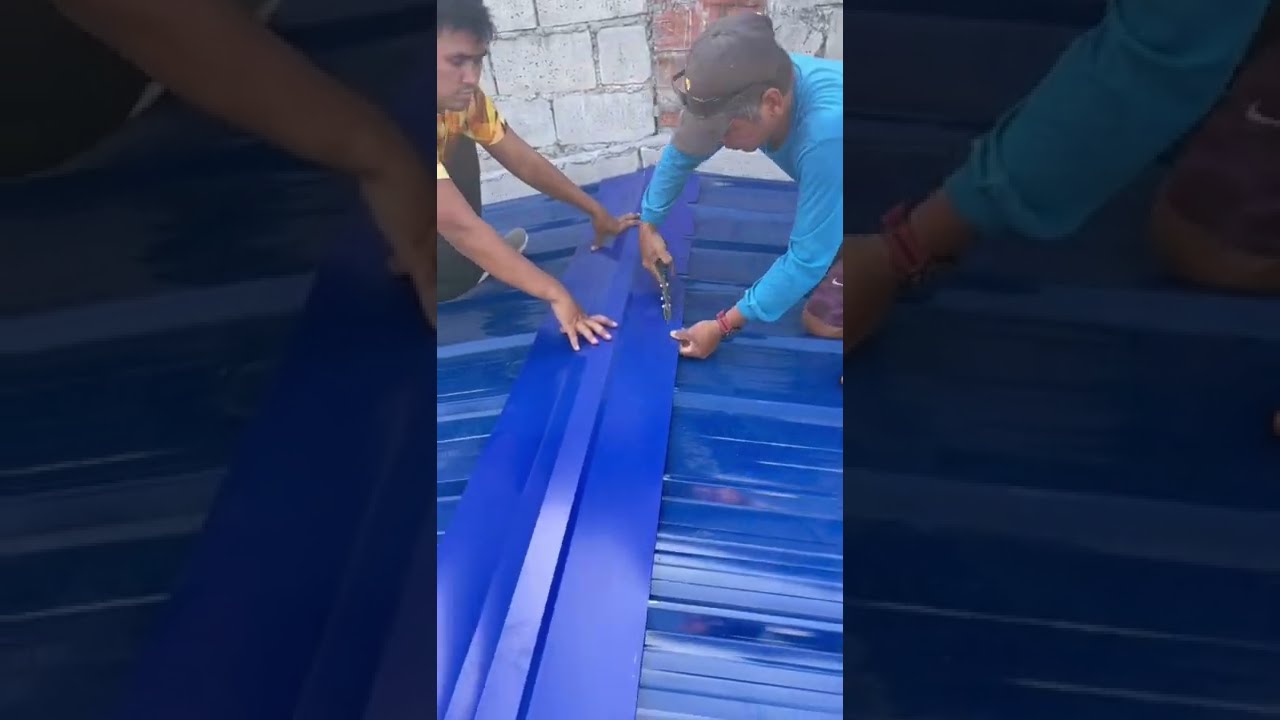
To build trust, we share client references and project photos. Real stories resonate with prospective customers, showing not just a finished roof but the care invested in a project from concept to completion. We also publish maintenance guides and warranty documents so homeowners can reference them easily, fostering a relationship built on transparency and professional accountability.
The Emergence of Claytile Roofing Technology: Frequently Asked Questions
1) What makes claytile roofs preferable to other materials in some climates?
Claytile roofs offer exceptional durability, excellent wind resistance when properly installed, and strong thermal properties. They resist rot and insect damage and can last for many decades with proper maintenance. The aesthetic variety also makes them appealing for both historic and modern homes.
2) How long does a claytile roof typically last?
With professional installation and regular inspections, claytile roofs often last 50 to 100 years or more. Longevity depends on the tile profile, glaze, underlayment, and climate—especially wind exposure and freeze-thaw cycles.
3) Are claytiles heavy, and does that require structural reinforcement?
Yes, claytiles are heavier than asphalt shingles. Most roofs must be evaluated for load capacity, and some structures require reinforcing or alternative support strategies before installation.
4) Can claytiles be installed on retrofit projects?
Absolutely, if the existing structure is capable of supporting the weight and installation is designed to work with the roof geometry. In some cases, lightweight tile options or partial reinforcement may be recommended.
5) What maintenance is required for claytile roofs?
Occasional tile inspection, debris removal, and checks on ridge and flashing areas. Replacing damaged tiles promptly helps maintain performance. A maintenance plan should be aligned with local climate and roof exposure.
6) How does claytile impact energy efficiency?
Dense clay tiles act as a thermal mass and can contribute to more stable interior temperatures when paired with adequate insulation. In hot climates, lighter glazes may reflect more solar energy, reducing heat transfer into the attic.
Conclusion: A Trusted Path Forward
Claytile roofing technology represents a thoughtful blend of heritage and high-performance engineering. It offers durability, aesthetic flexibility, and long-term value that few roofing materials can match when installed with care. My experiences on the job site—working with meticulous crews, coordinating with structural teams, and guiding clients through decisions—have reinforced the idea that the roof is more than a protective shell. It is a statement of readiness, a frame for the home’s future, and a collaborative journey that starts with respect for both craft and science.
If you’re evaluating a roof project, consider claytile not just as a material, but as a system designed for longevity. Engage with seasoned professionals who can translate design goals into a robust installation plan, and who can explain the trade-offs between weight, cost, and performance in honest terms. The right approach yields a roof that not only shields the home for decades but also complements the occupant’s life with quiet confidence.
Appendix: Quick Reference Tables and Resources
| Topic | Key Points | |---|---| | Material properties | Dense ceramic composition, glaze options, colorfastness, porosity control | | Structural considerations | Roof framing capacity, load calculations, reinforcement options | | Installation priorities | Precise underlayment, straight layouts, wind uplift mitigation | | Maintenance schedule | Biannual inspections, tile replacement as needed, ridge and flashing checks | | Warranty considerations | Installer qualifications, surface and glaze coverage, maintenance requirements |
Note: The information above reflects practices observed in projects across multiple regions. Always consult local code requirements and manufacturer specifications for your exact project.
If you’d like, I can tailor this content further to fit your target audience, region, or specific claytile products you prefer. Would you prefer more emphasis on historic restoration applications or on new builds with modern energy standards?